
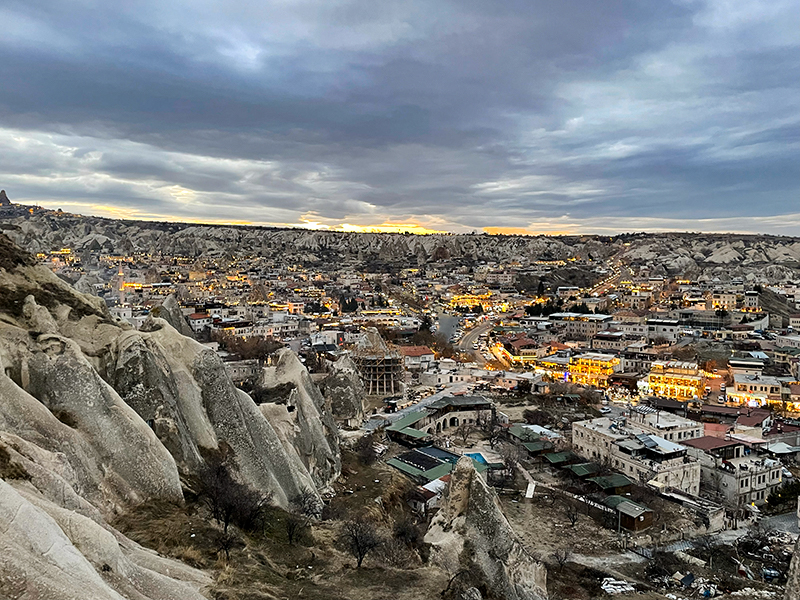
Cappadocia is not a single town, not a postcard image, and not just balloons in the sky. It is a living landscape shaped by time, people, animals, and daily routines that continue quietly behind the scenes tourists rarely notice.
To understand Cappadocia, you need to slow down and look beyond the famous views.
A Land Formed by Nature, Used by People
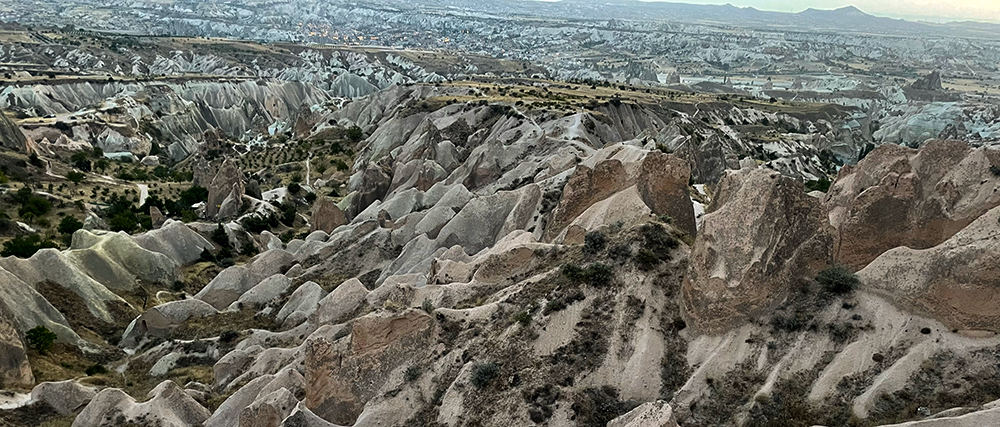
The land here was not designed for comfort. Volcanic eruptions created soft rock layers, wind and rain carved valleys, and people adapted their lives to what nature left behind.
Homes were carved into rock not for beauty, but for protection.
Paths through valleys exist because animals and people walked them for centuries, not because someone planned a route.
Nothing here is accidental.
Cappadocia Life Moves with the Landscape
Locals do not fight the land; they work with it. Daily life follows natural rhythms:
• Early mornings start before heat or crowds
• Work pauses when weather changes
• Animals move before people do
This is why horses, farming, and walking routes are still part of everyday life. The valleys are not attractions to locals; they are working spaces.
Horses Are Part of the Identity
Long before tourism, horses were tools of survival here.
The Persian name Katpatuka “Land of Beautiful Horses” is not a marketing story. It reflects how deeply horses were tied to movement, trade, and communication across this region.
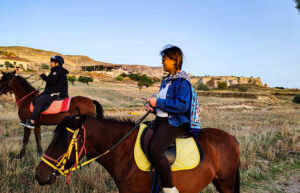
Even today, horses are not treated as decorations. They are working animals, respected for their strength, calmness, and ability to navigate difficult terrain. This respect shapes how locals ride, train, and care for them.
Valleys Are Not All the Same
- Each valley has its own character.
- Some are wide and forgiving.
- Others are narrow, quiet, and demanding.
- Locals know which paths to avoid after rain, which routes are safe at sunrise, and where silence matters more than speed.
- Tour maps simplify this. Real knowledge comes from experience.
Tourism Is Only One Layer
Tourism is visible, but it is not the foundation.
Behind every tour:
• Someone feeds animals before sunrise
• Someone checks paths after weather changes
• Someone decides which route is safe that day
This invisible work keeps Cappadocia functioning.
Visitors see moments; locals manage continuity.
Why Cappadocia Feels Different
People often say Cappadocia feels “calm” or “timeless.”
- That feeling comes from balance.
- The land sets limits.
- People respect those limits.
- Life adjusts instead of forcing change.
That balance has existed here for thousands of years, and it is still present for those who know how to look.

Benzer Turlar
Places to Visit in Göreme
Underground Cities of Cappadocia
Göreme Open-Air Museum