
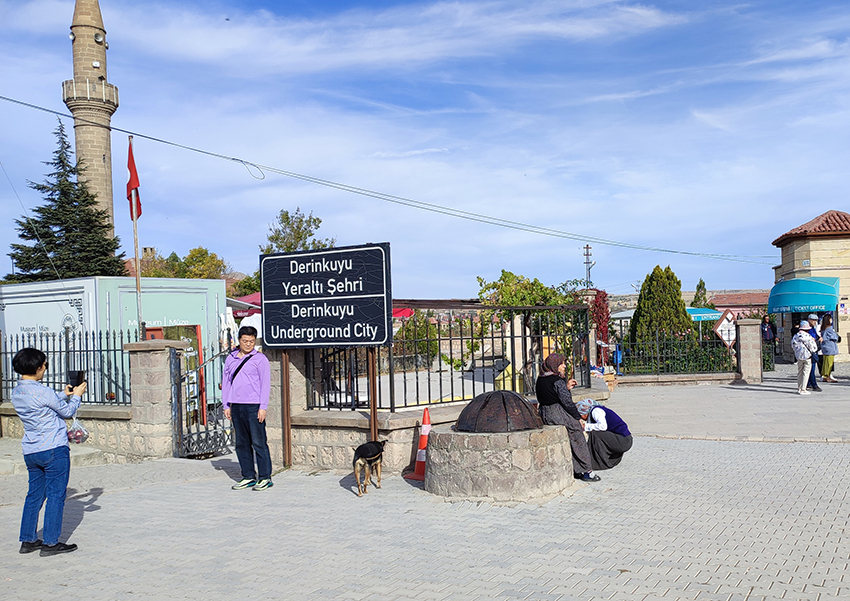
Underground Cities of Cappadocia – A Hidden World Beneath the Land
Cappadocia underground cities are among the most extraordinary engineering achievements of ancient Anatolia. Carved entirely into soft volcanic rock, these cities were designed not just as shelters, but as fully functional underground settlements where thousands of people could live for months.
The construction of the underground cities began as early as the Hittite period and was later expanded significantly during the Roman and Byzantine eras. Their primary purpose was protection. In times of invasion, local communities descended underground to escape enemies, creating a hidden world beneath the valleys.
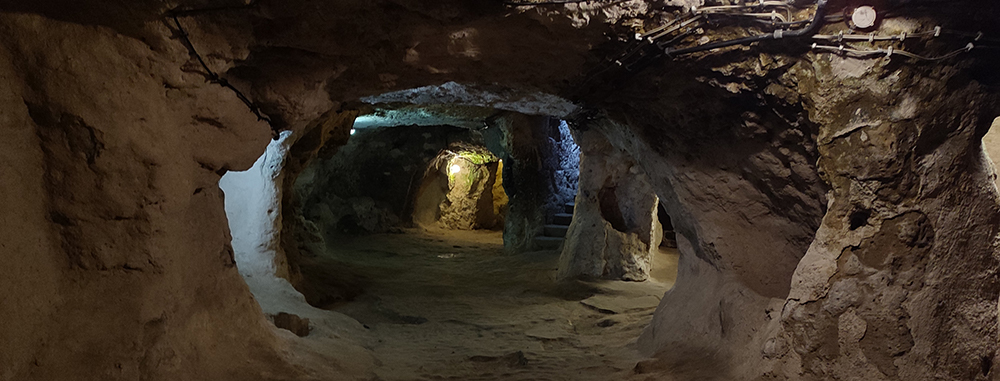
Some underground cities reach 8 to 12 levels deep, with interconnected tunnels, ventilation shafts, and complex security systems. Massive circular stone doors were used to seal entrances from the inside, making them nearly impossible to break through.
Inside these cities, daily life continued almost normally. You can find:
- Living quarters and family rooms
- Kitchens and food storage areas
- Wineries and oil presses
- Churches and chapels
- Stables for animals
- Ventilation shafts providing fresh air even at great depths
One of the most impressive features is the ventilation system. Vertical air shafts, some over 50 meters deep, supplied oxygen to every level. These shafts also served as wells, showing how carefully these cities were planned.
The most famous underground cities include Derinkuyu, Kaymaklı, Özkonak, and Mazı. Derinkuyu is the deepest known underground city in Cappadocia and could accommodate up to 20,000 people along with their animals and food supplies.
Today, visiting an underground city is like stepping into a silent historical witness. The narrow tunnels, low ceilings, and carved stone rooms give visitors a deep sense of how life once unfolded beneath the surface hidden, resilient, and incredibly intelligent in design.

Benzer Turlar
Cappadocia from a Local Perspective
Places to Visit in Göreme
Göreme Open-Air Museum